Featured
See This Report about Developing a Stable Budget for Perm...
Not known Facts About Pricing Honesty That Rebuild Credit...
More About Widespread False Beliefs Regarding Financial T...
5 Simple Techniques For Market Conditions and Rising Need...
Not known Facts About Pricing Honesty That Rebuild Credit While Paying Off Medical Loans Experts Don't Have
Table of Contents
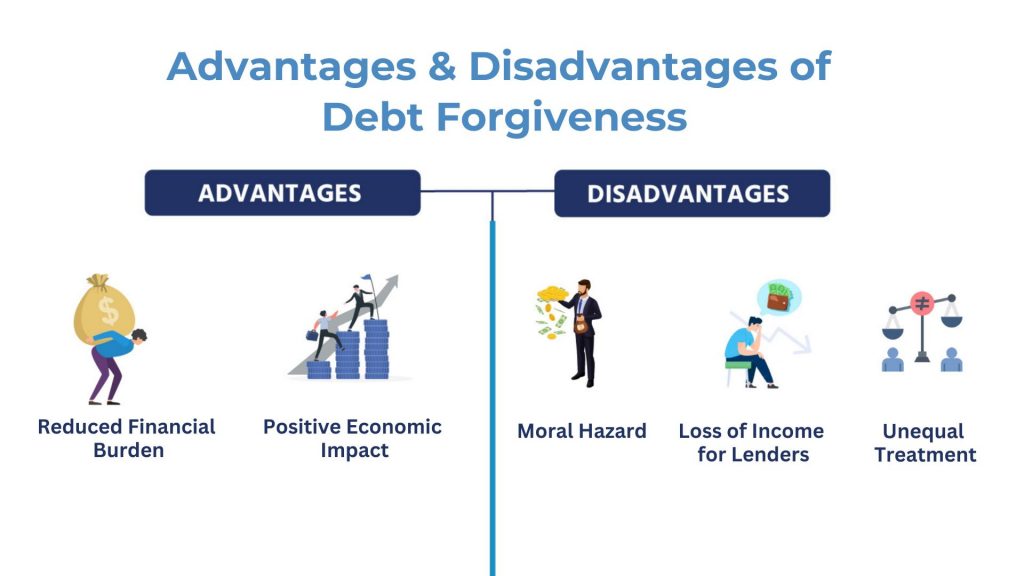
That liberates money in the brief term, and you may have three to 4 years to conserve toward the negotiation amount. Really unsafe to credit report ratings, mostly because of missed payments and an unfavorable "resolved" mark that could remain on your credit scores record for up to seven yearsMay be only alternative if various other alternatives (debt consolidation, equilibrium transfer bank card, debt mercy) aren't possibleTypically needs a cost to the 3rd party, which could offset some or every one of the cost savings from financial debt settlementMay aid you prevent personal bankruptcy if you have actually missed out on several paymentsNot all financial institutions deal with debt negotiation companies Financial debt forgiveness may be ideal for you if you are experiencing a monetary challenge that makes it almost impossible to pay for your financial obligation equilibriums.

With a DMP, you make one month-to-month payment to the credit counseling agency. Those funds are then distributed to creditors of your unsafe debts, such as credit report cards and installment finances. The company collaborates with your creditors to reduce passion prices or forgo fees, but some financial institutions may decline such giving ins.
A financial obligation consolidation financing combines your qualified debts right into one new loan. It can help you pay for financial obligation if you're able to safeguard a funding rate that's lower than the typical price of the accounts you're settling. Nevertheless, you should avoid acquiring financial debt on those recently cleared accounts or your debt could grow even greater.
These cards usually offer a 0% passion initial duration of approximately 21 months. That provides you lots of time to get rid of or significantly minimize your balance while making interest-free repayments. For some individuals facing overwhelming debt, insolvency may be the only way to stop collection proceedings and legitimately resolve their financial obligations.
Not known Facts About Understanding Your Rights in Debt Forgiveness
You may need it if your creditor or a debt collection agency ever attempts to gather on the financial debt in the future. The letter can show you don't owe what the debt collector's records reveal. Yes, for the most part, the internal revenue service considers forgiven financial debt as taxable earnings. When a lender forgives $600 or more, they are called for to send you Type 1099-C.
Financial obligation forgiveness or negotiation often hurts your credit rating. Anytime you resolve a financial debt for less than you owe, it might show up as "resolved" on your credit history record and impact your credit history for seven years from the day of settlement. Your debt can also drop significantly in the months leading to the forgiveness if you fall back on repayments.
All About "Rebuild Credit While Paying Off Medical Loans Is Shameful" Corrected
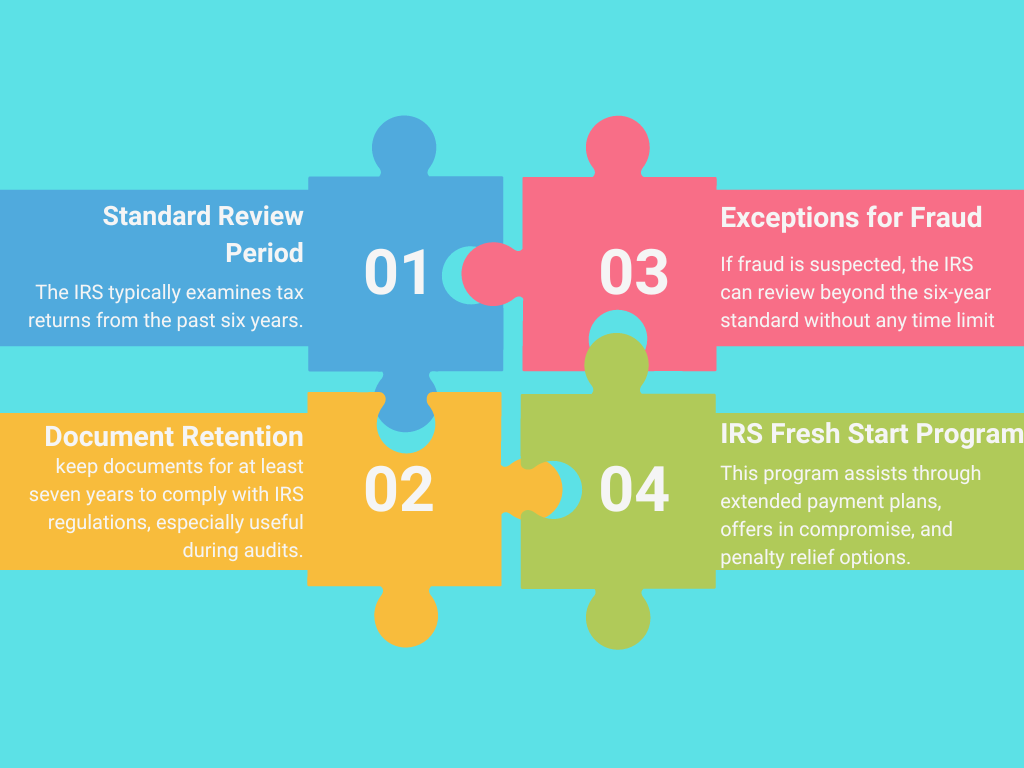
Tax debt concession programs Tax debt happens when the amount of tax obligations you owe surpasses what you have actually paid. This scenario typically results from underreporting earnings, not submitting returns in a timely manner, or discrepancies discovered during an internal revenue service audit. The consequences of accumulating tax debt are severe and can include tax liens, which provide the IRS a lawful insurance claim to your residential or commercial property as safety and security for the financial obligation.
Wages and Bank Accounts IRS can levy (take) incomes and bank accounts to please the debt. Building Seizure In extreme situations, the IRS can take and sell home to cover the financial debt.
Social Stigma Encountering legal action from the IRS can lug social stigma. Work Opportunities A poor credit scores rating due to tire financial obligation can limit employment possibilities. Government Advantages Tax obligation financial debt might influence eligibility for government advantages, such as Social Safety And Security and Medicaid.
What Does Steps for Get Started Today Mean?
The OIC takes into consideration several variables, consisting of the taxpayer's income, expenditures, asset equity, and capacity to pay. Effectively discussing an OIC can be intricate, requiring a comprehensive understanding of the IRS's guidelines and a strong debate for why your offer straightens with your capacity to pay. It is essential to keep in mind that not all applications are approved, and the procedure calls for comprehensive economic disclosure.
The IRS analyzes your general economic circumstance, including your revenue, expenditures, asset equity, and capability to pay. You must likewise be existing with all filing and settlement demands and not remain in an open personal bankruptcy case. The internal revenue service also considers your conformity history, assessing whether you have a record of prompt filing and paying taxes in previous years.
The Main Principles Of Mandatory Documentation for Rebuild Credit While Paying Off Medical Loans
The application process for an Offer in Compromise includes several comprehensive actions. You must finish and submit IRS Form 656, the Deal in Compromise application, and Kind 433-A (OIC), a collection information declaration for individuals. These forms need detailed economic information, including details concerning your income, debts, expenditures, and assets.
Back taxes, which are overdue taxes from previous years, can substantially enhance your total internal revenue service debt otherwise resolved promptly. This financial obligation can build up rate of interest and late payment fines, making the original amount owed a lot bigger with time. Failing to pay back tax obligations can lead to the internal revenue service taking enforcement actions, such as issuing a tax lien or levy versus your home.
It is vital to deal with back tax obligations as soon as feasible, either by paying the total owed or by setting up a layaway plan with the IRS. By taking proactive steps, you can prevent the build-up of added rate of interest and penalties, and stop a lot more hostile collection activities by the internal revenue service.
One typical reason is the belief that the taxpayer can pay the sum total either as a lump amount or through a payment strategy. The IRS likewise considers the taxpayer's income, expenses, property equity, and future earning potential. If these variables show that the taxpayer can manage to pay even more than the supplied amount, the internal revenue service is most likely to reject the offer.
The Best Guide To Navigating Debt Forgiveness in 2024
Dealing with Internal revenue service financial debt can be complicated and difficult. Tax obligation professionals, such as Certified public accountants, tax lawyers, or enrolled agents, can provide invaluable help.

Table of Contents
Latest Posts
See This Report about Developing a Stable Budget for Permanent Success
Not known Facts About Pricing Honesty That Rebuild Credit While Paying Off Medical Loans Experts Don't Have

More About Widespread False Beliefs Regarding Financial Trauma Recovery: Counseling Techniques for Clients with Repeated Financial Crises
More
Latest Posts
See This Report about Developing a Stable Budget for Permanent Success
Not known Facts About Pricing Honesty That Rebuild Credit While Paying Off Medical Loans Experts Don't Have